
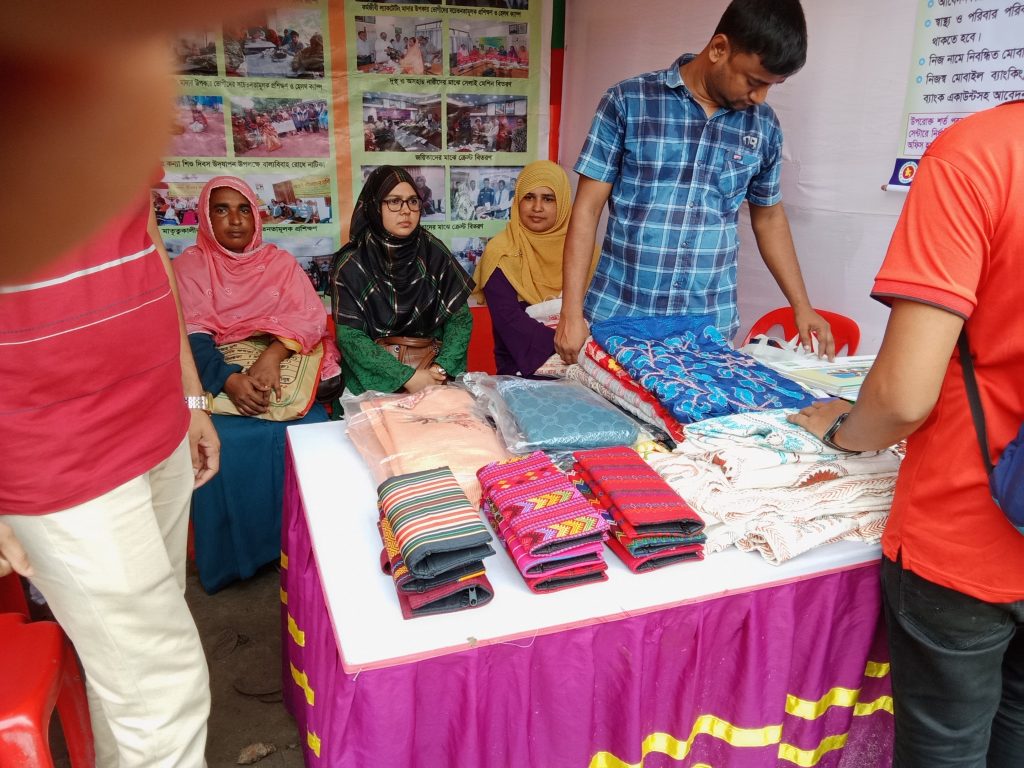
In today’s rapidly evolving world, the socio-economic landscape is crying out for transformation. With challenges ranging from poverty and inequality to political instability and environmental degradation, the call for change is louder than ever. It’s within this backdrop that youth emerge as vital agents of transformation. Far from the sidelines, young people are stepping up to tackle these pressing issues with innovative solutions and a fresh perspective. This blog post dives into the role of youth in socio-economic transformation, exploring how they can lead us toward a more equitable and sustainable future.
Understanding the Role of Youth
Youth bring a unique perspective to socio-economic challenges. They are inherently innovative, often viewing problems through a lens unclouded by the status quo. This ability to think outside the box equips them to devise creative and impactful solutions. Whether it’s leveraging technology for social good or advocating for policy changes, young people are making their mark.
Take the example of Greta Thunberg, whose climate activism has sparked a global movement. Her initiative shows the power of youthful determination and the ability to rally others for a common cause. Similarly, Malala Yousafzai’s advocacy for girls’ education has brought significant attention to gender inequalities in education systems worldwide. These examples underscore the capacity of youth to drive meaningful change on a global scale.
Beyond famous figures, there are countless youth-led initiatives around the world making a difference in their local communities. From grassroots movements addressing local environmental issues to tech-driven solutions improving healthcare access, these efforts demonstrate the diverse ways young people are contributing to socio-economic transformation.
Challenges Faced by Youth in Socio-Economic Transformation
Despite their potential, young people often face significant challenges in their quest to transform society. Systemic barriers and societal attitudes can be daunting obstacles. Traditional mindsets may dismiss their capabilities or question their commitment. This lack of trust can stifle their willingness to take initiative or seek leadership roles.
Additionally, limited resources and access to opportunities can impede their efforts. Young entrepreneurs may find it difficult to secure funding for their ventures, while activists might struggle to gain visibility for their causes. These barriers highlight the need for supportive structures that enable youth to thrive in their endeavors.
Without adequate support, the energy and creativity of youth can go untapped. Overcoming these challenges requires a concerted effort from communities, governments, and organizations to foster an environment where young people can flourish and drive change.
Empowerment and Support Structures
To unlock the full potential of youth, it’s crucial to establish empowerment and support structures. Mentorship plays a critical role in guiding young people through their journeys, providing them with the insights and knowledge they need to succeed. Experienced mentors can help youth navigate challenges and avoid common pitfalls.
Education is another key component. Equipping young people with the necessary skills and knowledge prepares them for the complexities of socio-economic transformation. Access to quality education ensures that youth are well-prepared to tackle the issues they are passionate about.
Finance is also critical in enabling youth-led initiatives. Access to funding allows young entrepreneurs and activists to bring their ideas to life, scaling projects that can drive lasting change. Initiatives like microfinance and impact investing focus on supporting youth ventures, helping them grow and achieve their objectives.
The Intersection of Policy and Engagement
Policy frameworks play an instrumental role in either supporting or hindering youth-led change. Favorable policies can create an enabling environment that encourages youth to engage in socio-economic transformation. On the other hand, restrictive policies can limit their potential and stifle their efforts.
To ensure that policies align with the needs and aspirations of youth, it’s essential to include them in decision-making processes. Youth participation in policy discussions ensures that their voices are heard, leading to more inclusive and effective policies. This engagement fosters a sense of ownership and responsibility among young people, motivating them to actively contribute to societal progress.
Governments and organizations must actively seek to involve youth in policy development and implementation. By doing so, they can harness the power of youth to drive positive change and shape a brighter future for all.
Measuring Impact and Building Sustainable Change
For youth-led initiatives to be successful, it’s crucial to measure their impact effectively. Tools for evaluating the effectiveness of these initiatives provide valuable insights into what works and what doesn’t. Data-driven assessments allow for continuous improvement and refinement of strategies.
Sustainability is key to ensuring that youth-led initiatives have a lasting impact. Strategies for long-term sustainability involve building strong networks, fostering partnerships, and ensuring financial viability. By focusing on sustainability, youth-led initiatives can continue to deliver positive outcomes well into the future.
Building a culture of sustainability within youth initiatives also involves empowering the next generation of leaders. Encouraging mentorship and knowledge transfer ensures that the torch of change is passed on, creating a legacy of socio-economic transformation.
Conclusion
The role of youth in socio-economic transformation is undeniable. Their fresh perspectives, innovative solutions, and unwavering determination make them indispensable agents of change. While challenges exist, empowerment and support structures can help overcome them, enabling young people to realize their full potential.
By engaging youth in policy discussions and providing the necessary resources and mentorship, we can create a more equitable and sustainable society. The future is bright with the promise of youth—together, we can build a world where everyone has the opportunity to thrive.
For those looking to further explore the potential of youth in shaping a more equitable society, consider joining forums and networks that connect young activists, entrepreneurs, and policymakers. Together, we can amplify the impact of youth-led initiatives and drive meaningful change.