
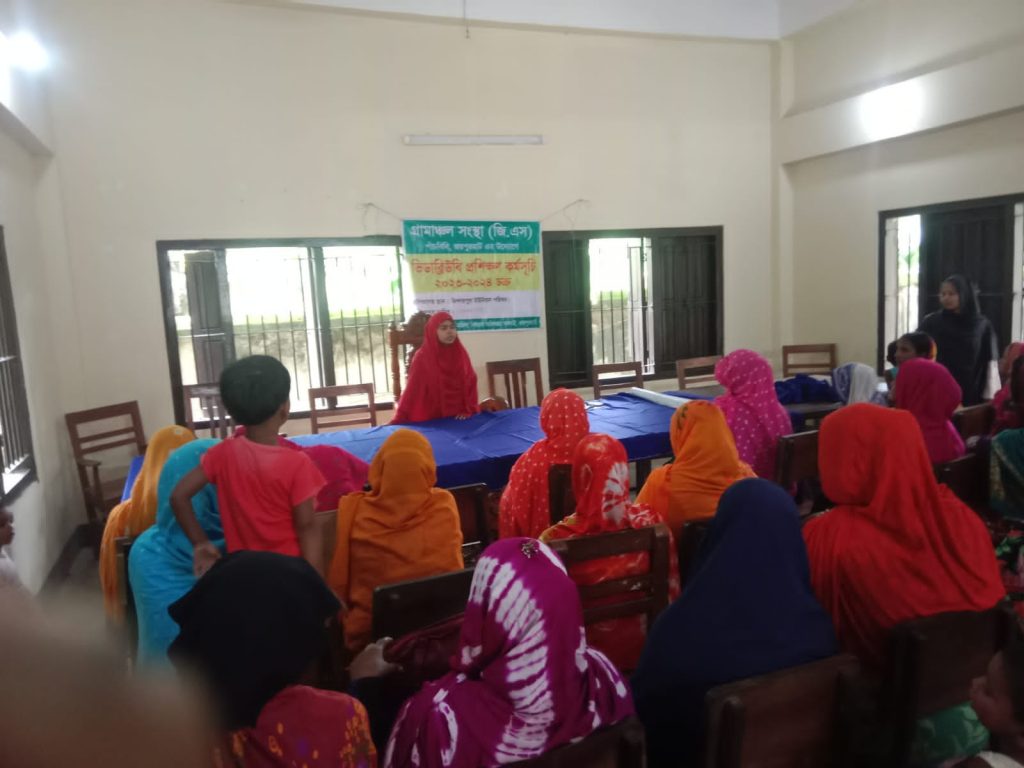
Water, the essence of life, is an undeniable foundation for human survival. Yet, despite its vital importance, access to clean water remains a distant dream for millions across the globe. This blog post will explore the critical issue of clean water accessibility, examining its impact on communities, the current state of water access worldwide, and the initiatives working tirelessly to mitigate this crisis. Our audience—environmentalists, humanitarian organizations, and policymakers—will gain valuable insights into why this issue needs immediate attention and action.
The Importance of Clean Water
Access to clean water should be an inherent human right. Without it, life becomes a struggle. Clean water is essential not only for hydration but also for sanitation, cooking, agriculture, and sustaining ecosystems. When communities lack access, the health repercussions are severe. Waterborne diseases such as cholera, dysentery, and typhoid run rampant, leading to high mortality rates, especially among children.
Economically, water scarcity hampers development. It forces people to spend hours collecting water, time that could be spent on education or employment. This results in lost productivity and perpetuates cycles of poverty. Socially, the burden often falls on women and children, impacting their education and opportunities. The ripple effect of water scarcity is profound, underscoring the need for urgent attention and action.
The Current State of Water Access Worldwide
The statistics surrounding water access are chilling. According to the World Health Organization, over 2 billion people live in water-stressed countries, a figure expected to rise with climate change and population growth. Sub-Saharan Africa and parts of Asia face the most acute shortages, where infrastructure is inadequate to meet the rising demand.
Take, for instance, the situation in Cape Town, South Africa. In recent years, the city came perilously close to “Day Zero,” when municipal water supplies would run dry. The crisis forced unprecedented water conservation measures and highlighted the vulnerabilities of even urban areas. In rural India, communities rely heavily on monsoon rains, which have become erratic, affecting agriculture and livelihoods. These case studies illustrate both urban and rural challenges in ensuring sustainable water access.
Initiatives and Solutions
Addressing the global water crisis requires multifaceted approaches. A range of initiatives and projects are underway to improve access to clean water. Organizations like Water.org focus on providing microfinancing to communities for infrastructure projects, empowering locals to take control of their water supply. Governments and NGOs collaborate to install boreholes, pumps, and filtration systems in remote areas, offering sustainable solutions.
Innovative technologies play a crucial role. Solar-powered water purifiers, rainwater harvesting systems, and mobile apps that monitor water quality are just a few examples of how technology is transforming access. Community-driven efforts, where locals are trained to manage and maintain water systems, ensure long-term sustainability. These initiatives highlight the power of innovation and collaboration in tackling one of the most pressing issues of our time.
The Role of Environmentalists, Humanitarian Organizations, and Policymakers
Environmentalists, humanitarian organizations, and policymakers are at the forefront of addressing the water crisis. Environmentalists work to protect natural water sources and advocate for sustainable practices that prevent contamination and depletion. They raise awareness about the impacts of climate change on water resources and promote conservation efforts.
Humanitarian organizations provide immediate relief and support to affected communities. They implement water, sanitation, and hygiene (WASH) programs, educate on the importance of clean water, and assist in building infrastructure. Their on-the-ground presence is crucial in bridging the gap between need and access.
Policymakers have the power to create systemic change. By enacting and enforcing regulations that protect water sources, investing in infrastructure, and promoting international cooperation, they can drive progress. Without strong governance and policy frameworks, efforts to ensure universal water access remain fragmented and less effective.
Conclusion
The importance of clean water access cannot be overstated. It is a linchpin for health, economic stability, and social equity. As we have explored, the challenges are significant, but so are the efforts to overcome them. Through innovation, collaboration, and commitment, we can work towards a future where access to clean water is a reality for all.
To our readers—whether you are an environmentalist, part of a humanitarian organization, or a policymaker—you have a role in this mission. Support water access initiatives, advocate for policy changes, and educate others on the importance of this issue. Together, we can turn the tide and ensure that every individual has the right to clean, safe water. Join us in this vital endeavor and make a tangible difference in the world.